
How it works
From decarbonisation to lasting protection — in four steps
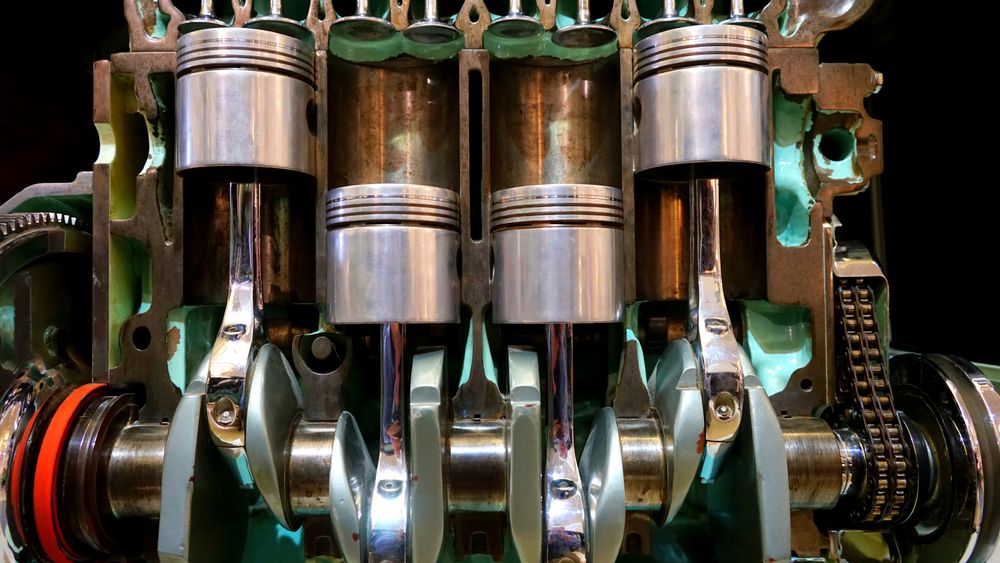
How Nanooil works
Nanooil doesn't work on the surface like ordinary cleaners — it reaches right where wear happens. The whole process runs during normal driving, over roughly 2,000 km, and requires no mechanical intervention.
The result is an engine that has its compression back, pulls like it used to, is quieter and burns less fuel. And most importantly — the protective layer stays on the metal surfaces for tens of thousands of kilometres.
Decarbonisation
Nanooil molecules dissolve carbon and impurities on the metal parts. The carbon turns into a dye that will not clog the oil filter.
Filling micro-cracks
The released molecules penetrate micro-cracks on the metal surface and fill them without altering the original part dimensions.
Protective layer
A firm, slippery layer forms on the surface, replacing carbon and protecting the engine for roughly 50,000 km.
The result
Lower friction, higher compression, less consumption, quieter running and a much longer life for engine and gearbox.
Main advantages
Deep cleaning
Dissolves carbon deposits within 2,000 km and restores original compression without touching a single part.
Fuel savings of 10–15%
Less friction means the engine works less — and that shows on your fuel bill straight away.
10–15% more power
Restored compression and clean combustion give back the power the engine lost over the years.
Protection for 50,000 km
Instead of carbon it leaves a lasting protective layer that shields the metal for tens of thousands of kilometres.
Quieter, smoother running
Friction, vibration and engine noise drop to a third. Every drive becomes calmer and more pleasant.
Non-toxic and safe
Non-toxic (hazard class 4), non-explosive and non-flammable. Safe for modern engines and filters.